Protests over India’s voter-roll revision continued for a third day on 4 October, with opposition activists and supporters of a youth-led political movement calling for Chief Election Commissioner Gyanesh Kumar to resign.
The demonstrations began on 2 October after concerns were raised over a large-scale revision of electoral rolls that protesters say has removed millions of names. The Election Commission of India (ECI) has rejected allegations of wrongdoing.
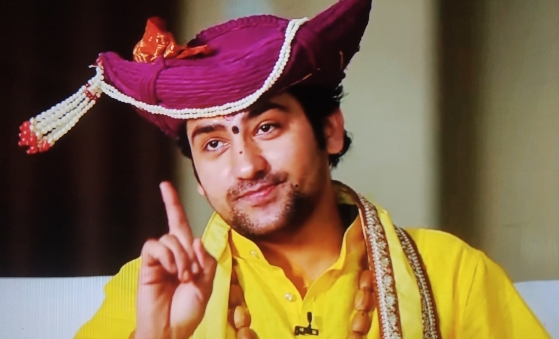
Thousands of people marched in Mumbai on Sunday, carrying Indian flags and placards calling for Kumar to step down. The protests have also involved supporters of the Cockroach Janta Party (CJP), which began as a satirical online movement in May and later became involved in political campaigning.
CJP leader Abhijeet Dipke said on social media that Mumbai had again taken to the streets in support of free and fair elections.
In New Delhi, police were deployed around India Gate and prevented protesters from gathering there. The demonstrations have also led to arrests and detentions, with police detaining protesters during the previous days of action.
The protests have also prompted an investigation after three female journalists alleged that police officers sexually harassed them while they were covering a demonstration at Jantar Mantar on 3 October. Delhi Police said the complaints had been transferred to the Crime Branch for a “fair and impartial” inquiry.
The allegations followed the detention of protesters around the government-designated protest area. The Press Club of India criticised the treatment of journalists during the demonstrations and said the media should be able to carry out its work without fear.
Opposition politicians have accused the ECI of acting in the interests of Prime Minister Narendra Modi’s Bharatiya Janata Party (BJP), an allegation the election authorities have rejected. Opposition parties and activists have announced plans for further demonstrations, including a march to the Election Commission in New Delhi and rallies under the banner “Save Democracy”.
The CJP has also called for a larger mobilisation of young people in New Delhi on 10 October.
The dispute is now moving towards the courts. Supreme Court was due to consider petitions concerning decisions linked to the voter-roll revision on 5 October. Reports said some of the petitions challenge aspects of the Election Commission’s decisions and seek judicial scrutiny of the process.
The controversy centres on the Special Intensive Revision of electoral rolls and allegations that eligible voters have been wrongly removed. The Election Commission maintains that the process is intended to address electoral-roll issues and has rejected claims of wrongdoing.
The issue has also drawn comments from Supreme Court Justice Ujjal Bhuyan. According to legal news website Bar and Bench, Bhuyan criticised the possible disenfranchisement of large numbers of citizens in a speech at a university, saying that a process producing such an outcome would be arbitrary. His remarks were made ahead of the court’s scheduled hearing.
The Supreme Court hearing is expected to provide further consideration of the legal challenges surrounding the voter-roll decisions as protests and political criticism continue.
Based on reporting by UCA News.