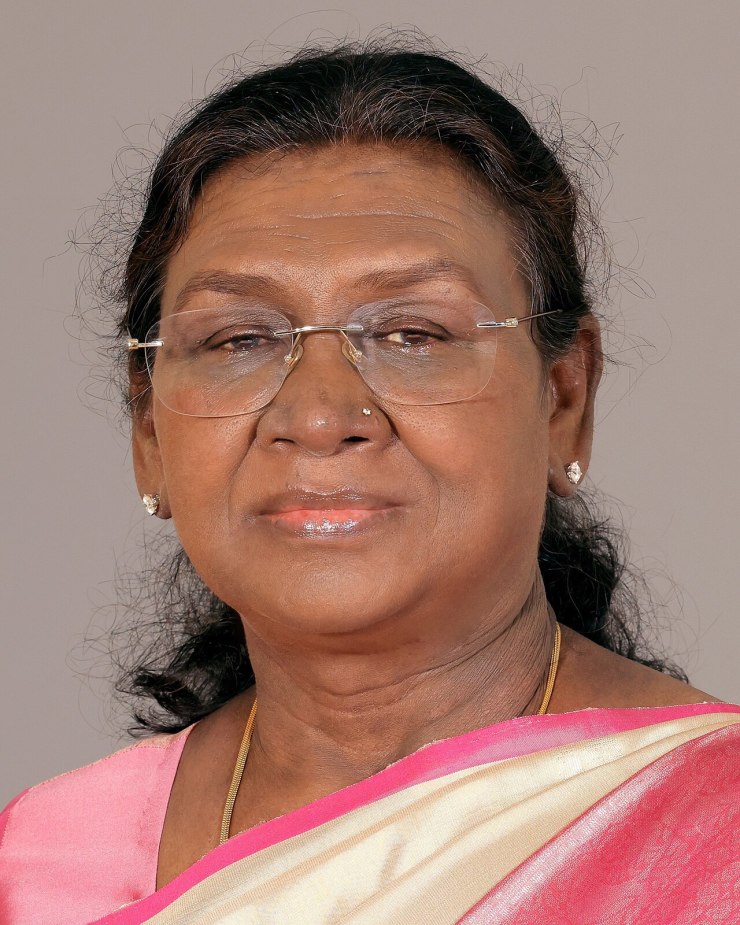
The Maharashtra Freedom of Religion Act, 2026, has come into force after receiving the assent of President Droupadi Murmu, making Maharashtra the 13th Indian state to enact a law regulating religious conversions.
The Act was notified in the state gazette on July 30, days after President Murmu gave her assent to the Bill. It had been passed by both Houses of the Maharashtra Legislature during the Budget Session in March.
Under the new law, any person wishing to convert to another religion must submit a written declaration to the District Magistrate at least 60 days in advance. Following the conversion, the individual must also complete a registration process within 25 days, as prescribed under the Act.
The law makes religious conversion carried out through force, coercion, fraud, undue influence, allurement, misrepresentation or deception related to marriage a punishable offence. A first-time offender can face imprisonment of up to seven years, along with fines that go up to Rs 5 lakh depending on the nature of the offence. Repeat offenders can face imprisonment of up to 10 years and a fine of Rs 5 lakh. Offences involving minors, women, persons of unsound mind, or members of Scheduled Castes and Scheduled Tribes, as well as mass conversions, attract the higher punishment.
The Act also allows the parents, siblings and other close relatives of a person who has converted to lodge a police complaint, even without the individual’s own consent to do so. Notably, the burden of proving that a conversion was voluntary rests on the person who performed it, reversing the usual principle in criminal law that places the burden of proof on the prosecution.
Maharashtra Chief Minister Devendra Fadnavis has defended the law, saying it is meant only to curb forced and fraudulent religious conversions. The state government has maintained that the legislation does not target voluntary conversions or interfaith marriages.
The law has, however, drawn strong criticism from opposition leaders and religious minorities. AIMIM leader Waris Pathan called the Act “against the Constitution and the law of the land.” Vanchit Bahujan Aghadi founder Prakash Ambedkar said his party would challenge the law in the Bombay High Court. “We will move the Bombay High Court soon,” Ambedkar said.
The Archdiocese of Bombay has also expressed “deep concern” over the legislation, saying it could penalise the ordinary work of the Church in Maharashtra. In a statement issued last week, the archdiocese said that while the Catholic Church “has always unequivocally condemned conversion through force, fraud, coercion or inducement,” similar laws in other Indian states “have been used more often to intimidate religious minorities than to address genuine instances of wrongdoing.”
The archdiocese flagged the law’s “vague and overbroad terminology” and objected in particular to the provision permitting a blood relative to lodge a first information report, warning it could be misused by families opposed to an interfaith marriage or to an individual’s decision to change their religion. It also noted that the law allows police officers to act on their own initiative, even before any complaint is filed, which it said “creates scope for undue scrutiny or surveillance of prayer meetings, schools, hospitals and social-service centres run by minority institutions.”
Christians make up less than 1 percent of Maharashtra’s population. With the law now in force, the state joins Odisha, Madhya Pradesh, Chhattisgarh, Arunachal Pradesh, Gujarat, Himachal Pradesh, Jharkhand, Uttarakhand, Uttar Pradesh, Karnataka and Haryana in enacting anti-conversion legislation.