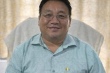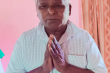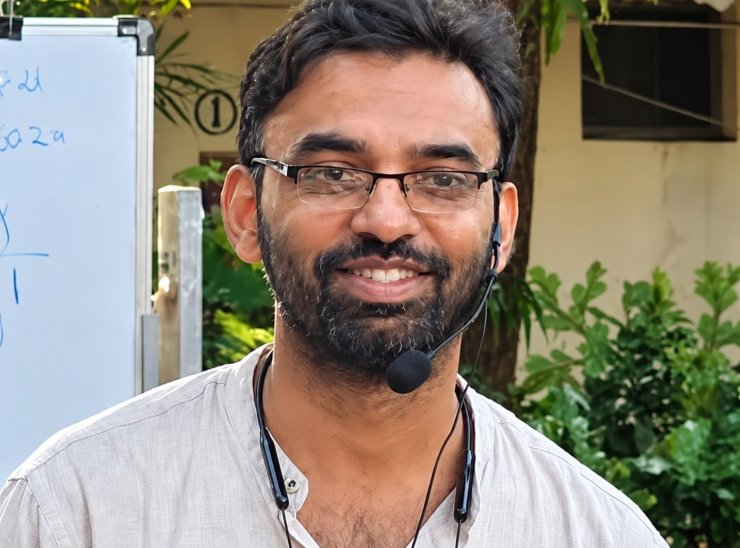
The All India Catholic Union (AICU) has demanded the release of Dr. Randall Sequeira, a physician who treats tribal communities in the eastern state of Odisha, and Laxman Naik, a Dalit activist, both jailed since mid-October.
In a statement issued in New Delhi on November 2 by its national spokesman, Dr. John Dayal, the AICU said it “reiterates its strongest condemnation of the arrest and continued judicial custody” of the two men. Judicial custody means a magistrate has ordered an accused person held in jail. Dalits are communities that have long faced caste discrimination.
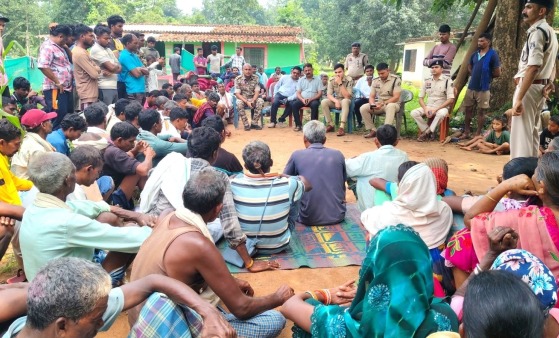
Police picked up Sequeira and Naik from the doctor’s home in Bhawanipatna, Kalahandi district, around 10.45 to 11 pm on October 16. According to the AICU, both remain in Rayagada sub-jail, charged with attempt to murder, rioting with deadly weapons, dacoity (armed robbery) and offences under the Arms Act. The case, linked to Kashipur police station in Rayagada district, arises from an April 6-7 clash in Kantamal village, where residents were resisting an approach road for the proposed Sijimali bauxite mine. Bauxite is the ore from which aluminium is made. Police have previously accused the two men of instigating Kantamal residents to attack officers.
The AICU pointed out that neither man appeared in the original First Information Report (FIR), the police record that opens a criminal case. That FIR named 26 people and unnamed “others”. The men’s later addition, “the late-night arrest without reported warrant or proper documentation, seizure of phones, and overnight detention without immediate access to family or lawyers continue to raise serious questions of due process,” the AICU said.
The union added that Sequeira reportedly already held anticipatory bail, a court order shielding a person from arrest in advance, in a related matter, and that “accounts from custody describe conditions that raise further concerns about procedural fairness.”
Sequeira, whose family comes from Mangaluru in Karnataka, grew up in Mumbai. He studied medicine at St John’s Medical College, Bengaluru, and holds a postgraduate degree in internal medicine from Sawai Man Singh Medical College, Jaipur. Since 2017, the AICU said, he has run camps and visited remote tribal settlements in Kalahandi, Rayagada and nearby areas, often treating patients free or at low cost. They include pregnant women, malnourished children and people with malaria and tuberculosis “where government services remain scarce.”
His parents, Alex and Nancy Sequeira, travelled from Mumbai to Rayagada and have publicly called for him to be freed, “stating that he has done nothing wrong and was targeted for perceived sympathy with communities opposing mining,” the AICU said.
The union also said hundreds of Adivasis, India’s indigenous peoples, have joined Dalits and activists from people’s movements at gatherings in Muniguda and other places, calling for the two men and others to be freed.
Vedanta and Adani interests are involved in the proposed bauxite projects in the Sijimali and Kutrumali hills. The AICU said media coverage has highlighted “the pattern of severe, non-bailable charges” against those supporting resistance to them. In such cases, bail is not a right but lies at a court’s discretion.
The hills fall under the Fifth Schedule of India’s Constitution, which gives special protection to tribal land. There, the AICU noted, the consent of gram sabhas, or village assemblies, remains essential under the Forest Rights Act and PESA, a law on tribal self-rule. It cited the Supreme Court’s 2013 judgment in a mining dispute over Odisha’s Niyamgiri hill.
Civil society groups, among them the Jan Swasthya Abhiyan and Medico Friend Circle, have termed the charges fabricated, the AICU said. These groups view the arrests as part of a wider crackdown in which dozens of cases have been filed and more than a hundred people jailed in recent years.
The AICU said it views “the criminalisation of a doctor for performing his professional duty—including treating those injured in police action and for standing with communities asserting constitutional rights as an assault on medical ethics and democratic values.”
It urged the Odisha government and India’s Union (federal) government to release the two men “on bail or otherwise” and withdraw “charges not supported by credible evidence”. It also sought an independent review of whether the arrests misuse criminal law to intimidate supporters of tribal and Dalit rights. And it asked both governments to uphold the constitutional right of Adivasi communities to free, prior and informed consent on projects affecting their lands, forests and livelihoods.
“The All India Catholic Union stands with Dr. Sequeira, Mr. Naik and the communities they serve,” the statement concluded. “A country that honours those who heal the poor must not imprison them.”
In a separate statement to Christian Today India, Dayal compared the case to that of Fr. Stan Swami, the Jesuit priest and tribal rights activist who was arrested in 2020 and died in custody in 2021.
“There is a depressing sense of ‘déjà vu’ in the illegal arrest of Dr. Randall that reminds me of the arrest of Fr. Stan Swami soon after I had met him in his ashram in Ranchi, the last meeting it turned out,” he said. “Government has not been able to explain why it had to arrest a grassroots doctor bringing healing to the poorest of the poor in a remote corner of the country.”
“He should be released forthwith, the case quashed, and an apology rendered to the countless villagers now deprived of Medicare and healing,” Dayal said. “This arrest brings more focus on the conspiracy between government and the crony capitalists to rob people of the natural resources of their land.”