Iraq has postponed the start of the new school year for more than 12 million pupils, with the government initially considering an 11 October opening before announcing a revised date of 1 October.
The 2026-27 academic year was originally due to begin on 20 September across most of the country. The decision has prompted public debate, with speculation linking the delay to several security and logistical developments expected around the end of September.
These include the planned withdrawal of the US-led international coalition by the end of the month, the transfer of weapons held by militias and armed groups to state control, and wider security concerns connected to the conflict in the Gulf. Iraq has also been used as a base for attacks on Saudi Arabia by factions linked to Tehran, including in recent weeks.
The government has not officially linked the school postponement to these developments. The Ministry of Education has instead given several reasons for changing the academic calendar.
Education Minister Abdul Karim Abtan al-Jubouri said the additional time would allow authorities to complete the second phase of examinations for pupils who are not sitting their final secondary examinations. It would also give schools more time to prepare classrooms and meet educational, technical and administrative requirements.
The ministry also cited the high temperatures affecting parts of the country during this period. Ministry spokesperson Karim al-Sayed later said the original 20 September opening had become too early because circumstances had changed.
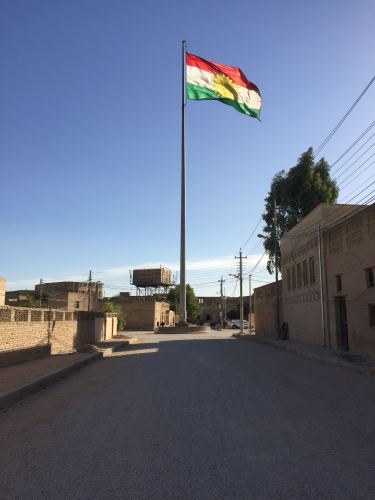
The postponement does not affect the Iraqi Kurdistan region, where schools are expected to open on 20 September as originally planned. In Basra, authorities have warned private schools against beginning the academic year before the nationally revised date.
The proposed 11 October opening had raised concerns that pupils could lose almost a month of teaching. Educators warned that this could make it difficult to complete the curriculum, particularly for pupils in the final years of primary, lower secondary and upper secondary education.
There are also wider concerns about the length of the academic year. Experts have pointed to the number of public holidays and breaks linked to religious observances, which already reduce the amount of classroom time available during the usual nine-month school year.
Amid the uncertainty, the Chaldean Patriarchate held a school-support event in Baghdad on 16 September. At the Indian Club Hall, school bags and supplies were distributed to 475 children aged between six and 10 from 15 Chaldean churches in the capital.
The event, promoted by Patriarch Paul III Nona, brought together Iraqi Catholic families and children for educational and entertainment activities organised through the Bible Society's Rejoice programme. The activities included theatre and specially prepared games.
The Patriarchate said Patriarch Nona personally distributed the school bags containing stationery and other supplies. He thanked the priests, teachers, donors and volunteers involved in the event and encouraged the children to take their education seriously, telling them that they represent the future and hope of the country.
The dispute over the school opening date has also highlighted longer-term problems within Iraq's education system. A recent report by the independent Eco Iraq Observatory estimates that the country needs about 10,000 additional school buildings to address shortages and accommodate its growing number of pupils.
Iraq has more than 40,000 primary and secondary schools, but the observatory said existing facilities are not sufficient for the country's expanding student population. It estimates that at least 8,000 additional facilities would be needed to gradually replace multi-shift schooling with a single-shift system.
The report also highlighted major differences in school conditions between urban and rural areas. Around 200 mud-brick schools and approximately 800 temporary caravan-style classrooms remain in use, particularly in Salah al-Din and Dhi Qar governorates.
The observatory called for increased investment in school construction and reconstruction, particularly in densely populated areas such as Baghdad, Mosul, Basra and Dhi Qar, where it says the need for additional and improved educational facilities is especially pressing.
Based on reporting by Asia News.