More than 650 landless families in Sri Lanka’s Gampaha district have taken to the streets to demand land and permanent homes, accusing successive governments of neglecting their needs for decades.
The protest took place in Negombo on 19 October and was organised by the Negombo People’s United Organization. The families were joined by rights activists, Catholic priests and a Buddhist monk.
The protesters said many families were forced to live in overcrowded conditions, pay rents they could barely afford and deal with restrictive landlords. Their lack of permanent homes also created difficulties in enrolling children in schools, registering to vote and arranging weddings or funerals.
The families had submitted a petition to the government on 5 October, which was observed as World Habitat Day. They called for a systematic survey to identify people genuinely without homes in Gampaha, Sri Lanka’s second-most populous district after Colombo. They also urged the authorities to ensure that low-income and homeless families received the government benefits and assistance to which they were entitled.
Father Sarath Iddamalgoda, a Catholic priest from the Archdiocese of Colombo who attended the protest, said the affected families had been struggling to secure land and housing for nearly 50 years.
“When poor people ask for land, authorities tell them it should be given to businesses and investors instead. Poor people also have the right to own land and a home as citizens,” he said.
Housing affordability remains a major concern in Sri Lanka. According to the UN-Habitat World Cities Report 2026, the country ranks second globally among nations where housing is least affordable, based on the ratio of house prices to household incomes.
The government estimates that 600,000 families lack secure housing. In response, it launched the 2026 National Housing Programme, titled “A Place to Belong – A Beautiful Life”, which aims to build or renovate more than 31,000 homes.
Activists said Gampaha’s population had grown significantly over the past decade as people moved there to find work in fishing, garment manufacturing, travel and tourism.
Marian Pradeepa, administrative secretary of the non-governmental organisation Janawaboda Kendraya, called on the government to include families affected by the housing crisis in its current programme and give them priority in housing schemes.
“We call for the recognition of housing rights under the International Covenant on Economic, Social and Cultural Rights (ICESCR), improved living conditions, and the development of policies and programmes to address the housing crisis,” Pradeepa, a Catholic, told UCA News on 20 October.
Subhadra Kumari, one of the affected residents, said her family depended on work linked to the sea but struggled to meet even basic expenses. The family often had to go without meals, repay high-interest loans and pay rent.
“We have to pay a large advance whenever we move to a new rented house each year. I cannot even remember the last time our family enjoyed a special meal together,” she said.
Thanga Raja Manora, a widow raising three children, said she had lived in rented accommodation for nearly 35 years and earned a living by selling kanji, a type of porridge, by the roadside.
“Our small income covers our food, our children’s school expenses and monthly rent. Having a piece of land and a house of our own during our lifetime remains a dream,” she told UCA News.
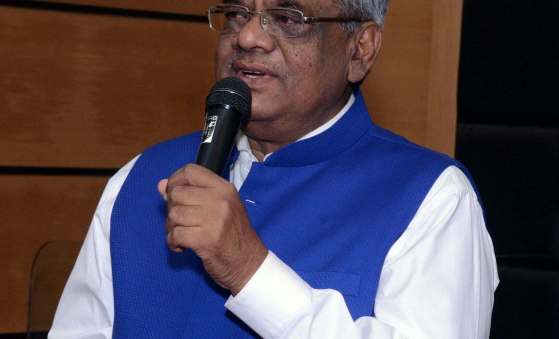
Deputy Minister of Housing, Construction and Water Supply T. B. Sarath, who attended the protest on 19 October, described the situation as tragic. He acknowledged the families’ needs but said the government had inherited a bankrupt country.
“I understand your needs, but we inherited a bankrupt country. The government has a plan to address the problems faced by people without land or homes,” he said.
Based on reporting by UCA News.