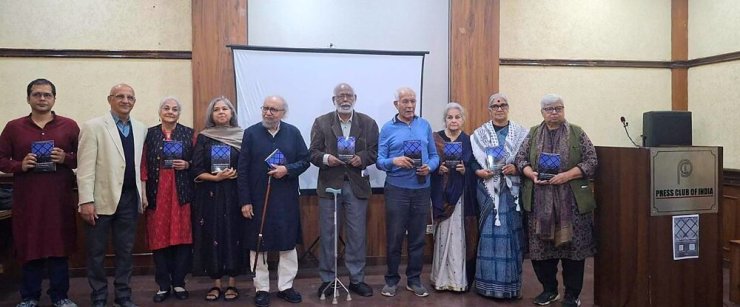
Christians in several Indian states are being beaten, boycotted, driven from their villages and denied the right to bury their dead, according to a report released on Friday, November 27, by the civil society campaign Karwan-e-Mohabbat.
The report, titled Fear and Expulsion: The Price of Being Christian in India, was released at the Press Club of India in New Delhi. Karwan-e-Mohabbat shared the report and a press release with Christian Today India. The report draws on nearly 900 testimonies and accounts gathered across 20 districts in Chhattisgarh, Odisha, West Bengal and Madhya Pradesh, and focuses on Adivasi and Dalit Christians. Adivasis are India’s indigenous tribal communities, while Dalits belong to castes that were historically treated as “untouchable”.
Karwan-e-Mohabbat, an Urdu phrase meaning “Caravan of Love”, was founded in 2017 by human rights activist and former civil servant Harsh Mander to stand with victims of hate violence.
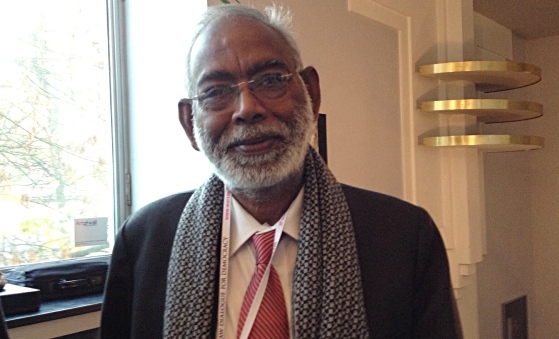
The speakers at the release included Mander, Ashis Nandy, Annie Raja, Colin Gonsalves, Syeda Hameed, Wajahat Habibullah, Gita Hariharan, former Member of Parliament Saket Gokhale, Navsharan Singh and Shabnam Hashmi.
The documentation includes nearly 500 testimonies gathered at a People’s Tribunal in Chhattisgarh in April and around 300 at one in Odisha in May. The team also met about 25 victims across five districts of Madhya Pradesh and heard 48 cases at a tribunal in Kolkata, the capital of West Bengal, on November 2.
According to the report, pastors, priests and other religious leaders have been assaulted, threatened and prosecuted, often after being accused of forced conversion. Churches, chapels and house churches have been vandalised, prayer meetings disrupted and congregations intimidated. Christian families have faced social boycotts, expulsion from their villages, loss of livelihood and fines imposed for refusing to give up their faith.
The report singles out the denial of burial rights as one of its most disturbing findings. Families have been stopped from burying their dead in village burial grounds and, in some cases, even on their own land. Testimonies also describe physical assaults, people being stripped and paraded in public, and sexual violence.
The report raises serious concerns about the role of state institutions in perpetuating or enabling these violations. Survivors described police refusing to register complaints, retaliatory criminal cases against victims and pressure to accept compromise agreements. In some instances, they alleged that police took part in the intimidation and violence. According to the report, those who report violence often end up facing criminal cases themselves, while the perpetrators frequently go unpunished.
The report places these accounts within a national rise in reported attacks on Christians. The Religious Liberty Commission of the Evangelical Fellowship of India recorded 147 reported incidents in 2014. In 2025, it verified 747 incidents out of more than 915 reports received. The helpline of the United Christian Forum, a New Delhi-based Christian organisation, had logged 531 incidents by mid-April this year.
The report also examines the role of Hindutva, or Hindu nationalist, mobilisation and of the narratives around alleged forced conversions. It is critical of the anti-conversion laws enacted by several states, arguing that key terms in these laws, such as “force”, “fraud” and “allurement”, remain vaguely defined. It also raises concerns about their broad definitions of inducement, requirements to notify authorities in advance, provisions that shift the burden of proof onto the accused, and stringent penalties. Together with accusations made by vigilante groups, the report says, these provisions have helped criminalise peaceful prayer gatherings.
Among its recommendations, the report calls for independent investigations into allegations of police complicity and institutional failure. It also seeks protection for clergy, churches and prayer meetings, an end to organised social and economic boycotts, and protection of burial rights. It asks for legal, medical, psychosocial and livelihood support for survivors and displaced families.
It urges state governments to ensure that anti-conversion laws are not used to criminalise peaceful religious practice or individual choice, and that allegations of forced conversion do not become a pretext for vigilante violence or retaliatory prosecution.
“Religious freedom cannot remain a guarantee confined to paper,” Karwan-e-Mohabbat said in a statement. “It must mean the ability to worship without fear, bury one’s dead with dignity, sustain a livelihood without discrimination and remain in one’s home and community without being forced to abandon one’s faith.”