A High Court in central India has affirmed the right of Catholic parishes to carry out Christmas carol singing after local authorities attempted to restrict the activity, in a ruling welcomed by church leaders.
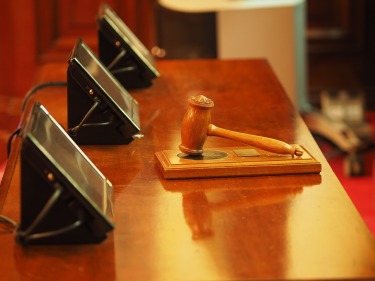
The Indore Bench of the Madhya Pradesh High Court ruled in favour of parishes in the Jhabua diocese after police and local officials denied permission for carol programmes during the Christmas season.
In previous years, parishes in the largely tribal district had routinely informed local authorities in advance about Christmas-related events, including carol singing and New Year celebrations. Permission had normally been granted. This year, however, several parishes were refused approval by local police.
According to church representatives, parish priests were directed to seek clearance from the sub-divisional administration. Officials then requested reports from police, who raised concerns that carol singing could lead to religious conversion or other activities. Based on these reports, authorities restricted celebrations to church services only and barred carol singing outside.
The diocese challenged the decision in court, arguing that the restrictions violated constitutional rights to practise and express religious belief.
In its oral ruling, the High Court stated that the parishes were entitled to sing Christmas carols, including at the homes of church members. The court’s decision effectively overturned the local restrictions, although the written order is still awaited.
Church leaders said the ruling reinforces legal protections for religious practice and provides clarity for future celebrations. The decision is expected to allow Christmas carol singing to proceed in parish communities across the district.
The case reflects broader debates in India over the limits of local administrative authority and the protection of religious freedoms guaranteed under the constitution.
Adapted from Matter India.