Christian organizations in Chhattisgarh have welcomed the Supreme Court’s interim order halting forcible exhumation of tribal Christians’ bodies, describing it as “a victory for religious freedom and human dignity” while calling for strict implementation and accountability for past violations.
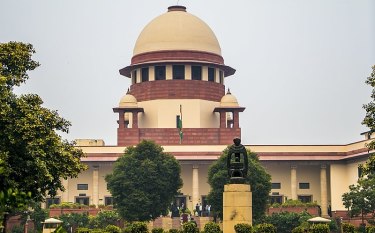
In a press statement issued on February 22, the Progressive Christian Alliance said the February 18 order by a bench comprising Justices Vikram Nath, Sandeep Mehta and NV Anjaria came as “a beacon of hope for marginalized communities facing systemic discrimination.”
The organization, which is a partner of the Chhattisgarh Association for Justice and Equality that filed the public interest litigation, said local Christian groups including Bastar Jila Grameen Masihi Seva Samiti and Janjati Masihi Seva Evam Shaikshanik Kalyan Samiti, Bastar, had been working on the ground to support families facing burial disputes and documenting violations.
“The affected families have shown remarkable resilience in the face of adversity. Their courage in speaking out against injustice has been the driving force behind this legal battle,” said Rev. Simon Digbal Tandi, coordinator of PCA.
Local organizations including Bastar Jila Grameen Masihi Seva Samiti and Janjati Masihi Seva Evam Shaikshanik Kalyan Samiti, Bastar, have been working on the ground to support families facing burial disputes, according to the statement.
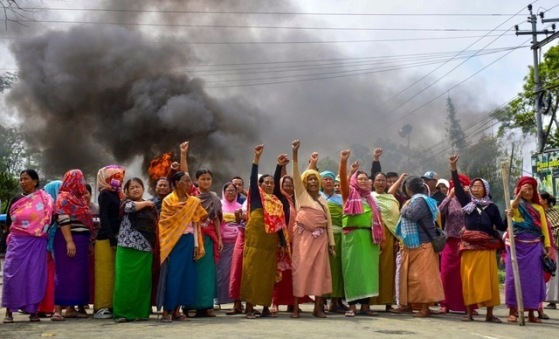
The PIL highlighted a disturbing pattern where local village authorities, influenced by communal pressures, were preventing Christian burials in ancestral village graveyards and resorting to forcible exhumations. Bodies were being dug up and reburied at distant designated sites, often without the consent or knowledge of grieving families.
PCA described villages in the Bastar division districts as hotspots for such conflicts, where traditional customs clash with the right to practice one’s faith freely. Christians, many of whom belong to Scheduled Tribes and enjoy protections under the Fifth Schedule of the Constitution, have reported being ostracized, denied access to community resources and subjected to violence for their beliefs.
The organization traced the roots of the issue to broader socio-political dynamics in Chhattisgarh’s tribal belts, which have become arenas for cultural and religious contestations, exacerbated by anti-conversion laws and campaigns promoting “Ghar Wapsi” or reconversion to Hinduism.
“These efforts undermine the pluralistic fabric of Indian society, particularly affecting vulnerable tribals and dalits groups who have embraced Christianity over generations,” the statement said.
Senior Advocate Colin Gonsalves, representing the petitioners, had argued before the court citing a previous split verdict in a similar case involving the burial of a pastor’s body. He said the Chhattisgarh government was misinterpreting that verdict to justify widespread denial of burial rights to Christians, particularly tribal converts.
The bench, recognizing the urgency, issued notices to the state government requiring a response within four weeks and explicitly ordered that “no further exhumation of buried bodies shall be permitted.”
PCA urged the Chhattisgarh state government to ensure strict implementation of the interim order. “The administration must take proactive steps to enforce the stay, including issuing directives to district collectors, police superintendents and gram panchayats to prevent any violations,” the statement said.
The organization called for investigation of past exhumations and accountability for those responsible for unauthorized actions. It also advocated for amendments to anti-conversion laws to prevent misuse and enhanced protections under the Scheduled Castes and Scheduled Tribes (Prevention of Atrocities) Act, 1989.
Rt. Rev. Dr. Akhilesh Edgar, convener of PCA, told Christian Today that the Christian community looked forward to the Supreme Court’s final verdict. “The Christian community looks forward to the Supreme Court’s final verdict establishing a strong, nationwide precedent that upholds the right to bury deceased loved ones with dignity, without any fear,” he said.
The matter is scheduled for hearing after four weeks from February 18. The Chhattisgarh government has not yet responded publicly to the Supreme Court notice.