The Cockroach Janta Party’s push to reach Parliament has left nearly 180 people injured, sent hunger-striking activist Sonam Wangchuk to hospital, and stalled two straight days of the Monsoon Session of the Parliament, with no resolution in sight as protesters returned to Jantar Mantar for a third day running on Wednesday, July 22.
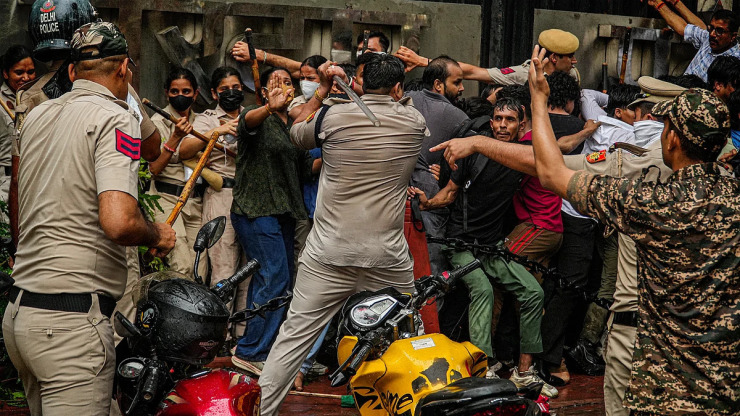
The flashpoint came on Monday, when over 10,000 people set out from Jantar Mantar towards Parliament in the CJP’s “Chalo Sansad” march, only for police to stop them with tear gas shells and lathi charges. By Delhi Police’s own count, around 180 people were hurt in the clashes, a third of them protesters and the rest security personnel, and 70 protesters were taken into custody. Police described the crowd’s conduct as “unruly, aggressive and violent,” a characterisation protesters rejected, saying it was officers who turned violent against students. CJP representatives Saurav Das and Ashutosh Ranka met Union Minister J.P. Nadda twice that day, but came away without any commitment from the government on the party’s core demand: the resignation of Union Education Minister Dharmendra Pradhan over the NEET-UG paper leak.
Monday’s confrontation had been building since the Saturday before, when Delhi Police took Wangchuk into custody at Jantar Mantar and shifted him to Safdarjung Hospital, citing his declining health three weeks into his fast. Within hours, CJP founder Abhijeet Dipke declared he too would go on an indefinite fast. As he spoke to the crowd at the site, a woman flung blue ink at him.
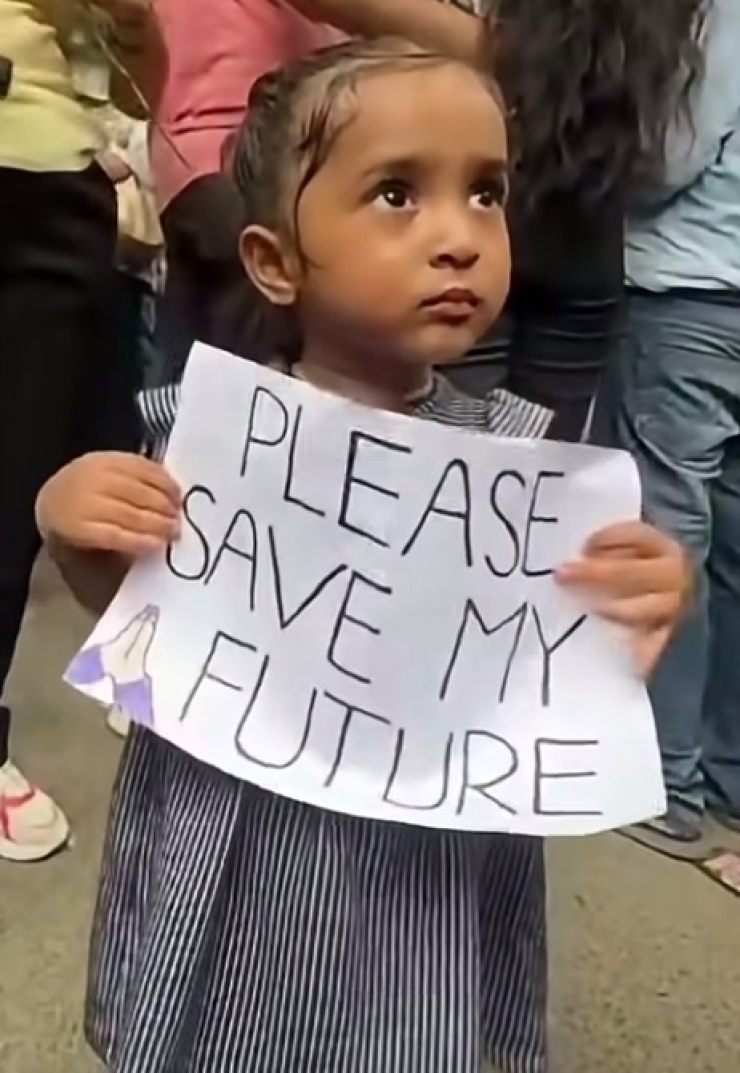
By Tuesday, Dipke struck a more cautious note than a day earlier. “We will not march again because the police will hurt the youth again,” he told reporters, though he insisted the movement’s core demand had not changed. Spokesperson Ranka was firmer, saying the CJP would not relent until Pradhan was removed from office. Protesters who had been cleared out by police on Monday reclaimed the Jantar Mantar site, with police still stationed heavily around it, among them 20-year-old student Sona Bisht, who told NPR, “Till the time our demands are not met, we will not move from here.”
Parliament saw a second day of disruption that day too. Opposition members, led by Mallikarjun Kharge in the Rajya Sabha, pressed for a discussion on the police crackdown and the NEET paper leak. Both Houses were adjourned for the day despite Speaker Om Birla’s appeals to members to return to their seats; the House is due to resume at 11 am on Wednesday.
Wangchuk’s hospitalisation, meanwhile, turned into a legal battle. His wife, Gitanjali Angmo, moved the Delhi High Court seeking his transfer to a private hospital after a single judge declined interim relief. On Tuesday, a Division Bench of Chief Justice Devendra Kumar Upadhyaya and Justice Tejas Karia, after hearing doctors from AIIMS and Safdarjung, concluded that Wangchuk needed to be watched round the clock and ordered him moved to Medanta Hospital in Gurugram, the private facility Wangchuk had asked to be treated at; government lawyers did not contest the move. Safdarjung, in its discharge statement, said his overall condition had stabilised but that his blood counts and potassium levels had not yet returned to normal. Wangchuk has said his fast will end only if the government owns up to the exam failures behind the protest, gives assurance the issue will be raised in Parliament, and if senior leaders visit him to confirm this.
Two days after the march, the sit-in shows no sign of winding down. With Parliament set to resume within hours, both sides remain exactly where they started: the CJP refusing to leave, and the government yet to answer its demands.