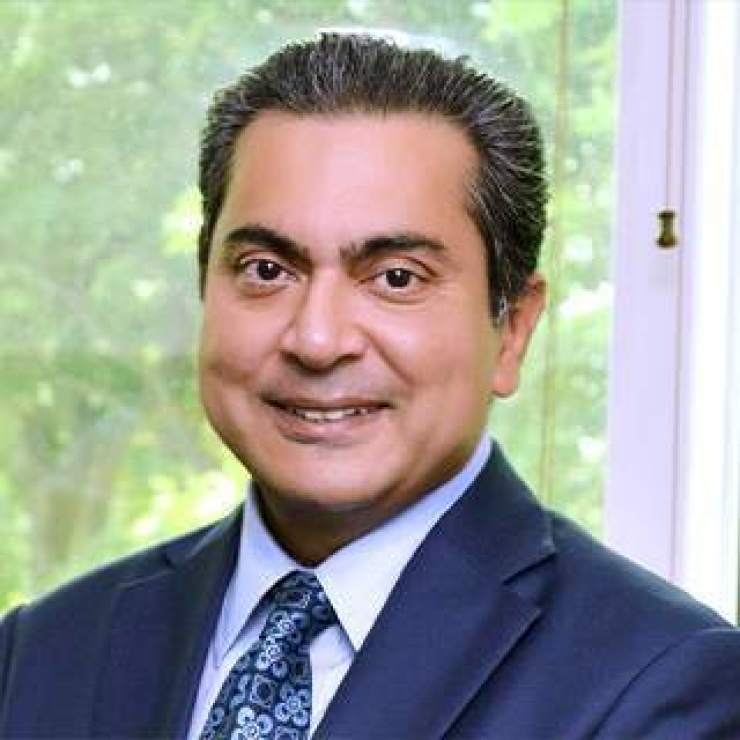
Concerned at rising fear among Christians ahead of Christmas, the United Christian Forum (UCF) has asked Prime Minister Narendra Modi to call on every state chief minister to protect the festivities.
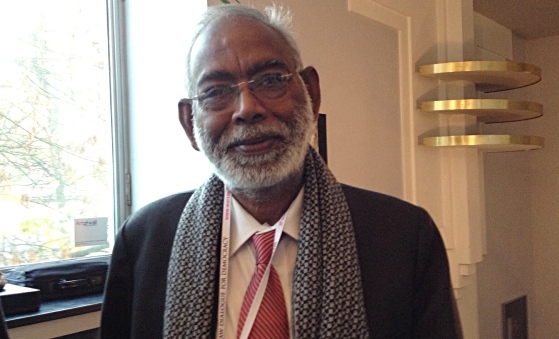
In a letter dated November 25, UCF national president Dr. Michael Williams drew the Prime Minister’s attention to “the growing sense of apprehension among Christian citizens in several parts of the country.”
“Recent incidents of intimidation, disruption of peaceful prayer gatherings, and vandalism targeting places of worship have caused deep distress within the community,” the letter said.
Speaking to Christian Today India, Williams said the situation sat uneasily with India’s constitutional promises. “It is deeply disturbing that, in a country whose Constitution guarantees freedom of religion, Christians should approach the Christmas season with a sense of fear and apprehension. No citizen of India should have to seek assurances of safety merely to celebrate a religious festival,” he said.
India is a union of states, each governed by an elected chief minister. Under the Indian Constitution, policing and public order are the responsibility of the states rather than the central government in New Delhi.
“A clear message from your office urging state administrations and law enforcement agencies to remain vigilant, prevent any disruption of festive gatherings, and uphold the constitutional right to freedom of religion would go a long way in reassuring millions of peace-loving citizens,” the letter said.
The forum made its request “in this spirit of cooperative federalism and national unity.” In Indian political usage, “cooperative federalism” refers to the central and state governments working together on shared concerns.
“Our appeal to the Prime Minister is not for special privileges, but for the protection of our fundamental constitutional rights,” Williams said. “A clear and unequivocal message from the Prime Minister to all Chief Ministers, state administrations and law enforcement agencies would go a long way in deterring those who seek to disrupt peaceful Christmas celebrations.”
The letter noted “with appreciation” a recent statement by V. D. Satheesan, Chief Minister of the southern state of Kerala. On November 23, Satheesan inaugurated a celebration in Kochi marking the success of Face of the Faceless, a film on the life and martyrdom of Sister Rani Maria, a Catholic nun. He expressed concern there over attacks on Christians and churches across India. He said he would personally contact the chief ministers of states facing potential threats to urge them to ensure the community’s safety.
Satheesan also said that campaigns against Christians over religious conversions were baseless. He cited census data from the past 50 years showing that the percentage of Christians in the population had declined.
Williams urged the Prime Minister to act. “Christmas is a celebration of love, peace and goodwill towards all humanity. Surely, the world’s largest democracy must ensure that its citizens can celebrate their faith without intimidation, hostility or violence. We sincerely hope that the Prime Minister will rise to the occasion and reassure the Christian community through both words and action,” he said.
Congress MP Shashi Tharoor backed the demand on Thursday in Thiruvananthapuram, the capital of Kerala. The day is Constitution Day in India, which marks the adoption of the country’s Constitution in 1949.
“I agree with that requirement,” Tharoor said. He said that “for several Christmases now” there had been “unnecessary, untoward attacks on Christian priests, nuns, Christian homes of worship, places of worship.” He added: “This is a terrible thing to do against a community that has contributed so much to India’s well-being.”
The UCF closed its letter by saying the Prime Minister’s leadership in fostering “an atmosphere of mutual respect and security” would ensure that Christmas 2026 “is celebrated across every state and union territory in true harmony and safety.” Union territories are regions administered wholly or partly by the central government.