Africa is expected to play an increasingly significant role in shaping the world's future population, with new research showing the continent will remain the fastest-growing region globally throughout this century.
A recent analysis by Pew Research Center, based on United Nations population data, highlights Africa's rapid demographic growth and its growing importance as the world's youngest continent.
According to the report, Africa's population has expanded dramatically since 1950, rising from around 230 million people to more than 1.5 billion today. Current projections suggest the continent's population could reach approximately 3.8 billion by the year 2100. Under higher-growth estimates, that figure could exceed 5 billion.
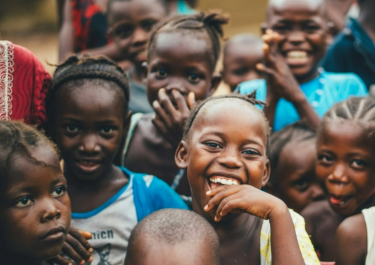
The study notes that Africa currently accounts for about 19 per cent of the world's population. However, the continent is home to a much larger share of young people, with around 28 per cent of all people under the age of 25 living in Africa.
Population growth is being driven in part by Africa's relatively high birth rate. The continent records an average of around 3.9 births per woman, the highest regional fertility rate in the world and the only one currently above the replacement level needed to maintain population numbers over time.
Birth rates vary considerably between countries. In Chad, women have an average of 5.8 children, while Tunisia records a much lower rate of 1.8 births per woman.
Although fertility rates are expected to continue declining in the coming decades, Africa's population is still projected to grow strongly due to its large and youthful population base. Researchers estimate the fertility rate could fall to around 2.8 by 2050 and reach approximately 2.0 by the end of the century.
The continent's age profile is also expected to change. Africa currently has a median age of about 19, making it the youngest region in the world. By 2100, that figure is projected to rise to 35 as life expectancy increases and birth rates gradually decline.
Despite this ageing trend, Africa is expected to become the primary home of the world's young people. The report projects that by 2073, Africa will overtake Asia as the region with the largest share of the global population under 25 years old.
By the end of the century, nearly half of all young people worldwide, around 46 per cent, are expected to live in Africa. In comparison, Asia's share is forecast to decline to 39 per cent.
The changing population landscape is also likely to affect global rankings of the world's largest countries. Nigeria, already Africa's most populous nation, is projected to become the fourth-largest country in the world by 2100.
Other African nations are also expected to move up the rankings. The Democratic Republic of the Congo, Ethiopia and Tanzania are forecast to become some of the world's most populous countries over the coming decades.
Overall, 12 African nations are expected to feature among the world's 25 most populous countries by 2100, compared with six today.
Meanwhile, Europe's presence among the largest nations is projected to decline significantly. Russia is expected to remain the only European country in the top 25 by the end of the century, although its population ranking is forecast to fall as demographic growth slows.
Within Africa, the proportion of people under 25 is expected to decrease from around 60 per cent today to 35 per cent by 2100. At the same time, the share of working-age adults and older people is projected to increase, reflecting broader demographic changes across the continent.
The Pew analysis was released ahead of Africa Day, observed annually on 25 May to commemorate the establishment of the Organisation of African Unity in 1963. The findings are based on the United Nations' latest World Population Prospects report, with future figures representing demographic projections rather than confirmed population counts.
Adapted and rewritten from reporting originally published by Christian Daily International, based on Pew Research Center data.