A Catholic bishop in the Philippines has urged government officials to reconsider permits that have allowed the removal of hundreds of thousands of trees in Palawan, a province widely regarded as one of the country's most important environmental treasures.
Palawan, an island province located south-west of Manila, is recognised internationally for its rich biodiversity and protected natural areas. Often referred to as the Philippines' "last ecological frontier", it is also designated as a UNESCO Biosphere Reserve.
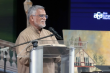
In a pastoral message released on 12 June, Bishop Socrates Mesiona of the Apostolic Vicariate of Puerto Princesa expressed concern over the environmental impact of approved mining activities in the province.
The bishop described Palawan as a precious gift entrusted to its people and questioned whether enough has been done to safeguard its natural resources for future generations.
According to information cited in the letter, more than 218,000 trees have been authorised for removal through Special Tree Cutting and Earth-Balling Permits (STCEPs), which are issued by the Department of Environment and Natural Resources (DENR) for approved projects, including mining operations.
Environmental groups in the province claim the total number of trees covered by such permits over the past decade may be significantly higher, reaching around 320,000.
The issue comes amid wider concerns about deforestation across the Philippines. Official data has shown that the country lost more than one million hectares of tree cover between 2001 and 2022, highlighting ongoing challenges in protecting forests and natural habitats.
Bishop Mesiona questioned whether environmental laws are being applied fairly, suggesting that ordinary citizens often face strict enforcement while large corporations and influential individuals appear to receive more favourable treatment.
He also expressed sadness over the loss of mature trees that have stood for decades, and in some cases centuries, yet can be removed within a short period of time.
The bishop called on authorities to review the permits and engage in discussions with communities affected by the projects. He further urged government agencies to make information about the permits publicly available, including details about approved areas and the number of trees involved, particularly in environmentally sensitive regions such as Palawan.
At the time of reporting, no official response had been issued by the Department of Environment and Natural Resources regarding the concerns raised.
Environmental campaigners have welcomed the bishop's intervention. Gerthie Mayo-Anda, founder of the Environmental Legal Assistance Centre and a member of the Save Palawan Movement, praised the pastoral letter for bringing greater attention to the issue.
Campaigners have been calling for a formal investigation into the granting of tree-cutting permits and their environmental consequences.
Mayo-Anda argued that the scale of tree loss in Palawan has not received the same level of public attention as smaller tree-cutting projects elsewhere in the country. She said many Filipinos have already spoken out against similar actions in urban areas and questioned why the much larger impact in Palawan has not generated equal concern.
The debate continues as church leaders, environmental advocates and local communities call for stronger protection of one of the Philippines' most ecologically important regions.
Adapted and rewritten from reporting by UCA News.