A Catholic-led housing project in Tamil Nadu has provided new homes for 12 impoverished Dalit families, offering security and dignity to people who had been living in unsafe and inadequate conditions.
The initiative was carried out by the Commission for Scheduled Castes and Scheduled Tribes of the Tamil Nadu Bishops’ Council (TNBC) with financial support from CHARIS Singapore. The programme reached families in several dioceses and archdioceses across Tamil Nadu, including Chengalpattu, Vellore, Pondicherry-Cuddalore and Madras-Mylapore.
According to the commission, the project forms part of its “Housing for the Homeless” programme, which seeks to support some of the most neglected and disadvantaged communities in the state.
Church leaders said the scheme focuses on families described as the “Anawim of Yahweh”, a biblical expression referring to people who are poor, humble and dependent upon God. In the Indian context, the commission explained that the term also reflects the struggles faced by communities affected by long-standing caste discrimination, particularly those from Scheduled Castes and Scheduled Tribes.
The housing initiative was designed to provide permanent shelter for families without safe homes. Beneficiaries were selected following field assessments and recommendations from local Church leaders, village representatives and diocesan staff.
Priority was given to widows, elderly people, single-parent households, persons living with disabilities and families experiencing severe poverty. Many of those chosen were living in isolated settlements with little access to essential services.
Commission secretary Capuchin Father Nithiya Sagayam said the programme intentionally reached out to people living in remote villages that often lack schools, healthcare facilities and basic infrastructure.
Rather than waiting for applications, the commission actively searched for families most in need of assistance.
“These are often people who would never come forward to ask for help,” Father Sagayam explained. “Their circumstances are hidden from public view, yet their needs are among the greatest.”
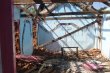
Among the beneficiaries was a family from Chengalpattu Diocese that had been living under a temporary tarpaulin shelter. During periods of heavy rain, they frequently had to seek refuge in neighbouring homes. Financial hardship had also forced one of the children to leave school.
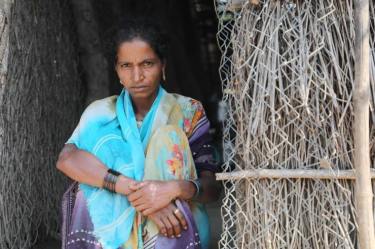
Another recipient was a widowed mother who struggled to provide for her family while covering healthcare and education expenses. Her previous home offered little protection during storms and seasonal monsoon rains.
The project also supported families facing serious medical challenges and disabilities. Some beneficiaries were unable to work because of chronic illness, while others cared for relatives living with visual or physical impairments.
Church leaders said the impact of the programme extends far beyond providing walls and a roof. The new homes offer stability, safety and renewed confidence for families who have spent years living in difficult circumstances.
Bishop Jeevanandam Amalanathan of Kumbakonam, who chairs the commission, said the initiative reflects the Church’s mission to serve those most often overlooked by society.
In a joint statement, Bishop Amalanathan and Father Sagayam described the homes as a visible expression of Christian compassion and solidarity with the poor.
Many of the families previously lived in areas lacking proper roads, clean drinking water, sanitation facilities and other basic services. The commission believes the new homes will help create a stronger foundation for healthier and more secure futures.
The report concluded that the houses represent more than a housing project. For the families involved, they stand as signs of hope, dignity and God’s care reaching some of the most forgotten communities in society.
Adapted from reporting by Matters India.