

A special two-week assembly of Middle East bishops concluded on Sunday with a list of 44 propositions and a call by Pope Benedict XVI for individuals, groups and nations to work together for peace.
"Conflicts, wars, violence and terrorism have gone on for too long in the Middle East," said the pontiff in his homily Sunday.
"Peace, which is a gift of God, is also the result of the efforts of men of goodwill, of the national and international institutions, in particular of the states most involved in the search for a solution to conflicts.
"We must never resign ourselves to the absence of peace," Benedict added.
For two weeks, 172 bishops gathered in Vatican City for the Special Assembly of the Synod of Bishops for the Churches of the Middle East.The bishops were joined by 14 Roman Curia officials, 30 academic experts, and 14 non-Catholic Christians, including Rabbi David Rosen of the American Jewish Committee and the Rt. Rev. Munib Younan, bishop of the Evangelical Lutheran Church in Jordan and the Holy Land.
Together, the delegates discussed the future of Christian communities in the Middle East and agreed upon 44 propositions, including the creation of an office or commission entrusted with the study of migration and of the factors behind it so as to find ways of stopping it; greater use of the Arabic language in major Catholic institutions and meetings so that Christians of Arab culture have access to information in their mother tongue; and the renewal of ecumenical commitment between churches through practical initiatives.
Also among the propositions was the diffusion of the social doctrine of the Church, which the bishops noted as oftentimes lacking despite being "an integral part of faith formation;" pursuit of dialogue with followers of other religions to bring hearts and minds closer together; and a follow-up synod.
"The Churches which have taken part in the Synod are called upon to make sure that it is properly followed up by working together with the Council of the Catholic Patriarchs of the Middle East and the official structures of the relevant Churches, with a greater involvement of priests and lay and religious experts," the bishops concluded.
Most Popular
-
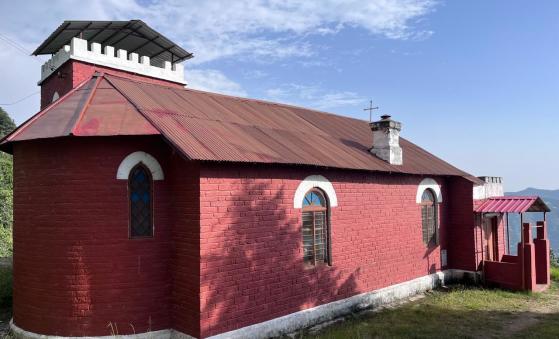
A Hilltop Church in Kumaon Turns 94
-
Evangelical Fellowship of India Calls Churches to Pray for Persecuted Christians on 1 and 8 November
-
Catholic priest and school principal seriously injured in attack by masked men in Jharkhand
-
Fresh Violence in Manipur Leaves Four Dead as Security Is Tightened
-

Jesuit Deacon’s Ordination Postponed Amid Questions Over Conversion Records