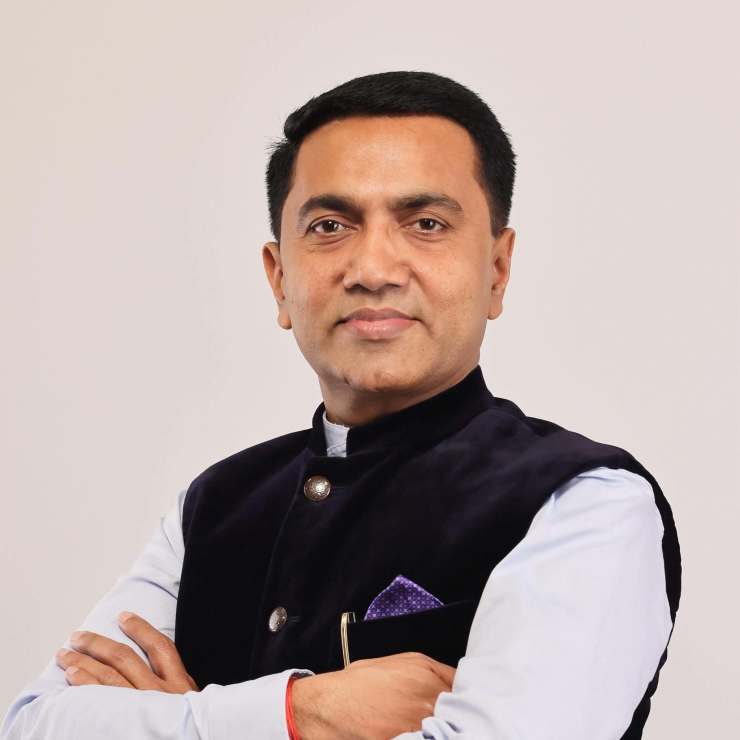
The Goa government did not introduce its anti-conversion bill during the monsoon session of the state assembly earlier this month days after the cabinet had cleared it for tabling. The decision followed a meeting between Chief Minister Pramod Sawant and several legislators, including some from his own party, hours before the session opened on August 31. The cabinet had approved The Goa Prohibition of Unlawful Conversion of Religion Bill, 2026, on August 26, for introduction during the three-day session, which concluded on September 2.
Calangute MLA Michael Lobo, speaking to the media after the meeting on August 31, said the government had moved too fast in pushing the bill through cabinet. “The Bill will not be coming. We have to study (the bill) and take everyone into confidence. We need to know what the bill is all about. What is happening is wrong. Everyone’s religious beliefs are important, and there should be respect for all religions. Sooner or later, there needs to be a discussion on what’s good for Goa; things are moving in the wrong direction,” he said.
Independent MLA Aleixo Reginaldo Lourenco, who has backed the BJP government, said the meeting had agreed to keep the bill off the agenda. Calling it “bad taste,” he questioned why it was needed. “There are no religious conversions happening in Goa according to me. There is no data, there are no statistics. So, why is it required? Goa is a peaceful state and people here have lived in harmony. So, why disturb this harmony? I have supported the government…but this doesn’t have my support,” he said, adding that past complaints of this kind had never reached a chargesheet, with courts quashing them or police closing the files.
The draft bill had proposed punishment of up to life imprisonment, a minimum fine of Rs 50,000 and compensation of up to Rs 5 lakh to victims, for conversions carried out through force, coercion, undue influence, allurement, fraudulent means or marriage. Clergy found guilty, including priests, karmkandis and maulvis, faced three to 10 years in jail, rising to five to 14 years and a minimum fine of Rs 1 lakh where the person converted was a minor, a woman, a person with disabilities or from a Scheduled Caste or Tribe. It also sought to void marriages solemnised solely to convert a partner, and required anyone changing religion to inform the district magistrate 60 days in advance, declaring the decision voluntary.
The Catholic Church and opposition parties in Goa, where Christians and Muslims together make up over 35 per cent of the population, had sought the bill’s withdrawal even before the government’s climbdown. The Council for Social Justice and Peace and the Catholic Association of Goa, in a joint statement, said it “risks irreparably damaging that precious inheritance by replacing mutual trust with suspicion, and social harmony with surveillance and fear,” and warned it “will set brother against brother, neighbour against neighbour and community against community.” They said such laws could entrench what they called a “communal mafia” of unofficial vigilantes operating with legal cover, as seen elsewhere.
Congress MLA Carlos Alvares Ferreira said the bill was meant to sow communal discord ahead of the 2027 assembly elections, given the state had not recorded a single conversion case. Goa Forward Party’s Vijai Sardesai argued the bill could be used to target religious minorities and intrude on personal faith choices, and invoked Goa’s distinct culture in saying it “must not blindly copy divisive laws from other BJP-ruled states.”
Sawant had first pressed for such a law last year, citing Uttar Pradesh’s legislation and claiming the state had seen cases of what right-wing groups call “love jihad,” a term used for alleged efforts by Muslim men to convert Hindu women through marriage, one that courts and the Union government do not officially recognise. Twelve of India’s 28 states now have anti-conversion laws, the latest being Maharashtra, whose Freedom of Religion Act took effect after being notified on July 30.
The issue has played out in Goa’s courts before. In 2022, a Christian pastor was arrested twice over an alleged unlawful conversion case. Police later told the court they had found no evidence against him or his wife, and both cases against the couple were dropped.