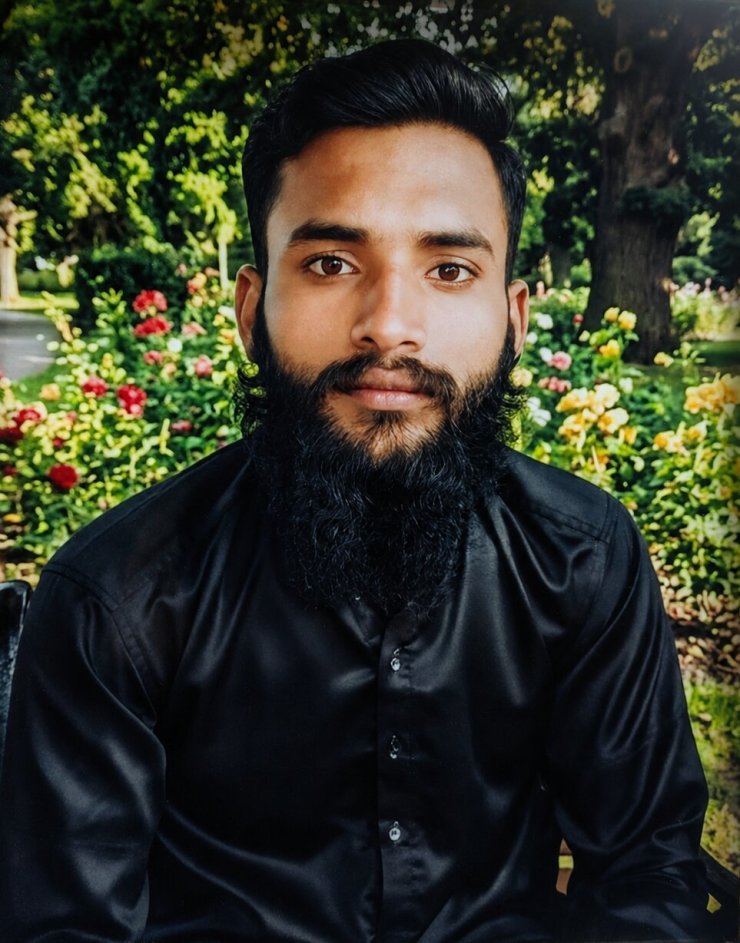
A 22-year-old Christian man was shot dead at his home in Muridke after his family endured two days of escalating threats that began with an unresolved wage dispute at a shoe factory, the British Asian Christian Association (BACA) told Christian Today India. The UK based charity, which has been assisting the bereaved family, shared details of the case with this publication.
Prem Masih, who was training to become a hairdresser, was killed on the night of 10 June 2026 when a group of armed men returned to his family's house two days after their first visit and opened fire. He was shot from behind, the bullet striking him in the area between the shoulder and the chest, and he died early the next morning at Mayo Hospital in Lahore, where he had been shifted after his condition worsened at the local Tehsil Headquarters Hospital.
According to BACA, the events that led to Prem's death had nothing to do with him directly. They trace back to his elder brother, Shehroz Masih, 26, who had spent four years working at a shoe factory in the town run by Muhammad Rizwan and Adnan. Shehroz and his employers had an arrangement under which most of his monthly pay would be set aside for him, with the idea that the accumulated amount would go towards his sister's wedding expenses, while he took home only a small sum to cover his daily needs.
When he finally asked for the money, the amount handed to him turned out to be far less than he had expected after four years of work. "I was shocked and told them that they were cheating me," he told BACA. He stopped reporting for work soon after. His family believes that this decision is what angered the factory owners and set off the harassment that followed.
On 8 June, a group of men, named by the family as Muhammad Habib, Muhammad Rizwan, Adnan, Usman, Husnain and Hamza Bajwa, turned up outside the Masih residence and began hurling threats. Prem's mother, Rehana Bibi, 45, and his sister, Muqadass Bibi, 30, bore the brunt of the abuse, with the men allegedly threatening to humiliate them publicly and demanding that the family answer for Shehroz's refusal to keep working at the factory. "We locked the doors from inside," Muqadass recalled to BACA. When the family asked the men to come back later for a calmer conversation, the group reportedly opened fire in the street outside before leaving with a warning that they would return. Despite repeated calls placed to the police emergency helpline, Rescue 15, no officer reached the scene that night, the family said.
The next morning, Prem's father, Sadaqat Masih, who makes his living going door to door trading kitchen utensils for second hand garments, went to the local police station to file a complaint. Officers are said to have visited both the family home and the factory, yet no action was taken against any of the men named.
Two days later, the group came back. It was during this second attack, at around 11 pm on 10 June, that Prem was shot. He collapsed on the spot while the attackers fled, still shouting threats at the family. He died in the early hours of the next morning, at around 4 am. He was laid to rest the same day, the youngest in his family, as relatives and others from the local Christian community gathered to mourn.
BACA's team reached the Masih family on 14 June. They offered condolences and prayed with the family, and the charity met the cost of the funeral. Police have registered an FIR, No. 1406/26, under Sections 302, 148 and 149 of the Pakistan Penal Code, and three suspects have since been arrested. The man identified as the main accused, Muhammad Habib, is yet to be apprehended, along with two others said to be involved.
BACA told Christian Today India that the family fears the case could stall without proper legal representation, and they have appealed for around £2,000 to fund a lawyer to pursue the prosecution. They have also sought help to cover lost income while Shehroz recovers, along with support to meet the recurring costs of going back and forth for police meetings and court dates.
"I am deeply thankful to BACA for coming to help us. I want justice for my son," Rehana Bibi told the organisation.
Juliet Chowdhry, a trustee of BACA, said the killing was "a heartbreaking reminder of the vulnerability many Christian families face when seeking fairness, dignity, and equal protection under the law." She added that BACA would stand by the family through the legal process "without being overwhelmed by financial hardship."
Chowdhry also pointed to long standing concerns over Pakistan's Qisas and Diyat laws, under which the heirs of a murder victim may accept compensation and pardon the accused. Critics of the law argue that it leaves room for offenders to pressure or financially induce grieving families into settling cases out of court, a risk they say is especially acute for religious minorities with comparatively less social and economic leverage. BACA has called for reform of these provisions and has asked supporters to pray for the safety of the Masih family as the case proceeds through the courts.
Cases of this kind are not isolated. Christian Daily International has reported on a string of similar incidents in Pakistan in recent years, including the alleged torture and killing of Christian farmworker Dilshad Masih in Punjab's Sargodha district in March, and the killing of a Christian brick kiln labourer in Kasur district in June after a dispute with a Muslim co-worker over a water cooler. Pakistan was ranked eighth on the 2026 World Watch List compiled by Open Doors, which pointed to mob violence, bonded labour and weak law enforcement among the recurring threats facing Christians and other religious minorities in the country, and noted that those responsible often face little consequence.