Churches in Dhamtari, a town in the central Indian state of Chhattisgarh, have put up notices warning non-Christians that they enter at their own risk, weeks after a law against religious conversion came into force in the state.
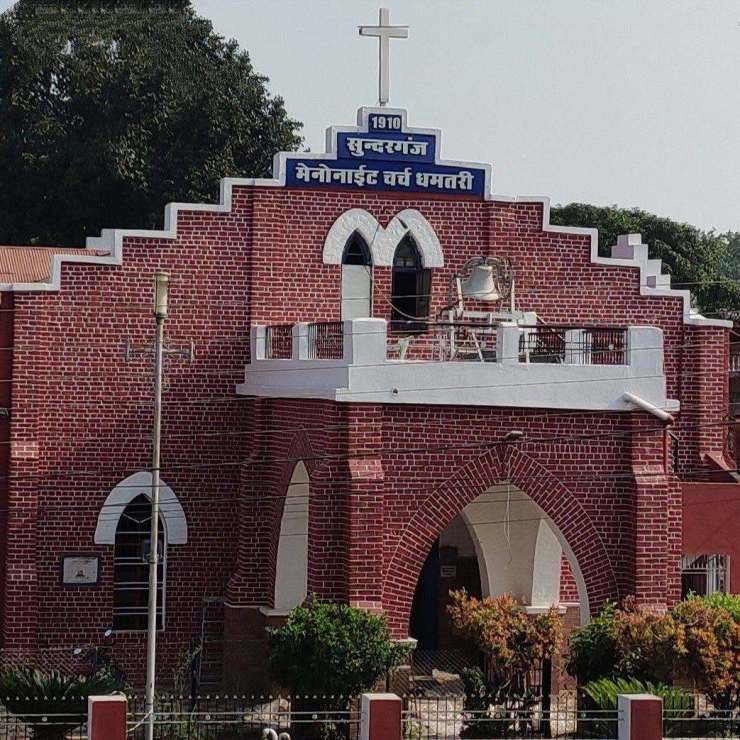
A Hindi board outside the historical Sunderganj Mennonite Church, which is around 125 years old, reads: “In accordance with church management rules, entry into the church for worship is restricted to Christians. Others who enter voluntarily do so at their own risk.” Similarly, a board outside the Church of God in the town states: “Worship here is exclusively for Christians; if you are not legally a Christian, you will be held personally responsible,”.
While reports differ on how many churches have joined in, it is estimated by local Christian leaders that more than 10 Churches have put similar boards outside their premises. The Dhamtari District Christian Forum reportedly took the decision and has asked other churches and prayer halls in the district to consider doing the same. The forum issued the guidelines over a month ago but enforced them more strictly after a meeting on September 15.
The Chhattisgarh Freedom of Religion Act, 2026, was notified in August. Although the ruling Bharatiya Janata Party (BJP) government claims that it aims to curb forced and fraudulent religious conversions, local leaders say the law has curbed religious freedom for Christians in the state.
The law punishes religious conversion carried out by force, fraud, inducement or marriage with 7 to 10 years in prison and a fine of at least about $5,000. Penalties rise to 10 to 20 years if the person converted is a minor, a woman, or belongs to a historically disadvantaged group protected by India’s Constitution, and mass conversions (two or more people at once) can bring life imprisonment. Anyone wishing to convert must apply to a government official, who publicly posts their name and religions, though returning to ancestral religion (widely perceived as Hinduism) is exempt.
Although the law says nothing about people casually visiting churches, or attending worship services, leaders say that the Christian community is being careful especially in the light of growing attacks on Christians as a whole in the state.
A pastor in Dhamtari, who asked not to be identified and said he was not speaking for the Christian Forum or any organisation, described fear among pastors. “Many of us feel afraid. Some pastors, including me, have received threats. Every Sunday we worry that our worship may be disturbed. Some pastors have moved their services online because they do not feel safe,” he said. “The boards outside churches are only a precaution. We do not want to stop anyone from coming. We only want to worship in peace and not be falsely accused.” He added: “We pray for peace in Dhamtari and ask that everyone’s freedom of worship be protected.”
Diamond Philus, general secretary of the forum, told the media that the boards went up “primarily as a precautionary measure to avoid action under the Chhattisgarh Freedom of Religion Act, 2026”. He called the law’s provisions “draconian” and alleged that they leave room for anyone to be framed. Philus also blamed right-wing groups for disrupting prayer meetings. He alleged that their activists had entered churches, damaged property and blamed pastors.
The forum claims that more than 1,000 people have submitted self-declaration forms at the District Collectorate, the district’s main administrative office. Media reports however put the figure around 1,500 and said many applicants belong to Scheduled Caste and Sahu communities. The form, as per local leadership, asks for the applicant’s details and the church or prayer venue, and the signatory declares that attendance is voluntary and that no force, inducement or deception was involved.