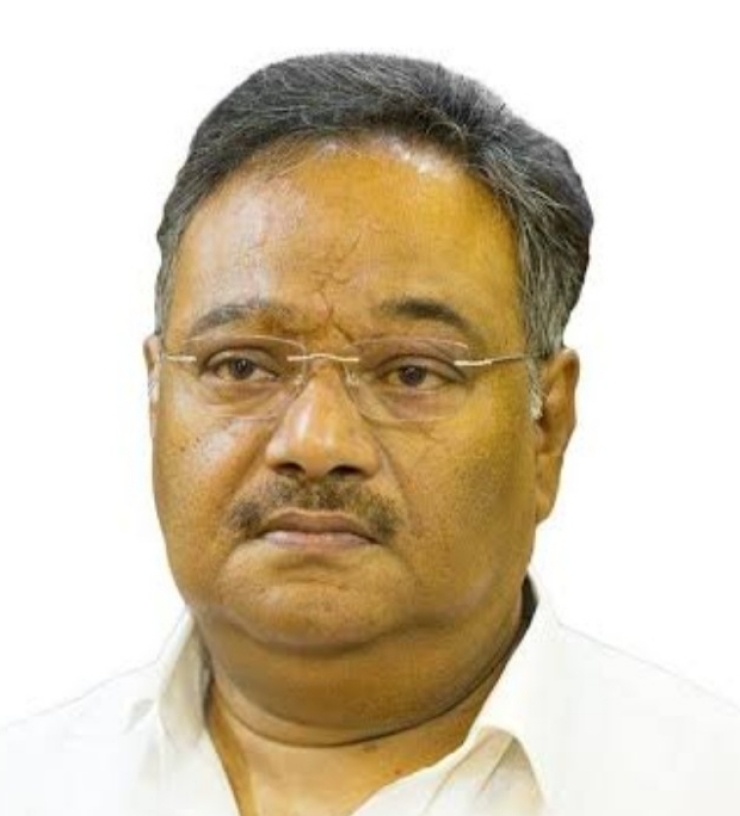
Two Christian organisations in West Bengal have asked Samik Bhattacharya, the state president of the Bharatiya Janata Party (BJP), to name the schools and individuals he has accused of religious conversion and to make his evidence public.
The Bangiya Christiya Pariseba, an interdenominational Christian forum in the state, and the West Bengal Association of Christian Schools wrote to Bhattacharya in a letter dated 16 November, a copy of which is available with Christian Today India. They wrote after a video of his recent remarks circulated widely. Bhattacharya is a member of the Rajya Sabha, the upper house of India’s Parliament. He also heads the party that has governed West Bengal since May.
According to news reports, Bhattacharya spoke at a programme in Kolkata on 15 November marking the birth anniversary of the tribal freedom fighter Birsa Munda. He accused Christian missionary institutions of forcibly converting people of other faiths, without naming any institution. He alleged that a school had barred a woman BJP worker because she wore a saffron saree. Saffron is a colour sacred in Hinduism and closely linked to Hindu nationalist politics. He also claimed that the principal of an elite Kolkata college was carrying out conversions in Asansol, and that an official at one school kept a Pakistani flag on a table. He warned that the party would not allow schools engaged in “anti-India activities” to continue.
The letter is signed by Herod Mullick, the Pariseba’s founding state secretary and spokesperson, and Fr Moloy D’Costa, a priest of the Archdiocese of Calcutta and secretary of the schools’ association. In it, the two bodies said they could not independently verify the footage. They said the statements attributed to Bhattacharya contained four grave allegations: widespread conversions, a principal’s involvement in conversion, the saffron saree incident, and a claim that Christian school administrators still harbour a “British mentality” decades after independence.
“We have always regarded you as a balanced, thoughtful, and sagacious leader,” the letter said. It said such statements came at a time when vigilante groups were vandalising churches and disrupting prayer meetings “under the pretext of forced conversions”, and had left Christians “shocked and deeply hurt”.
The organisations said they condemn any illegal or forced conversion carried out through greed or deception. However, they said, sweeping and unsubstantiated generalisations cast suspicion on the entire Christian community. They also cast suspicion on the more than 800 educational institutions the community runs in West Bengal.
The letter invited Bhattacharya to seek testimonials from alumni of Christian schools, who include many leaders of his own party. It also cited census figures. Had missionaries relied on state patronage, the letter argued, India’s Christian population would not have remained static at 2.3 per cent between the 1911 and 1951 censuses.
The two bodies said they had “grown weary of repeated appeals to the state administration without resolution”. They asked Bhattacharya to name the institutions and individuals involved, to arrange an impartial inquiry, and to ensure strict legal action against anyone found using coercion or inducement to convert people. Such action, they said, would allow the mainstream Christian community to formally dissociate itself from any wrongdoers.
Opposition leaders have also criticised Bhattacharya’s remarks. Sujan Chakraborty of the Communist Party of India (Marxist) called them criminal incitement over a baseless allegation. Dola Sen of the Trinamool Congress described them as fascist rhetoric.
Separately, the Bengal Christian Council, led by Bishop Paritosh Canning of the Church of North India’s Diocese of Calcutta, is writing to Chief Minister Suvendu Adhikari to request a meeting. The council wants assurances of security for Christmas celebrations.
The letter comes amid growing reports of attacks on Christians in the state, where they make up less than one per cent of the population. A report released this week by the Religious Liberty Commission of the Evangelical Fellowship of India documented 32 incidents across 13 districts between May and October. On 5 November, about 12,000 Christians joined a prayer and protest rally in Kolkata.