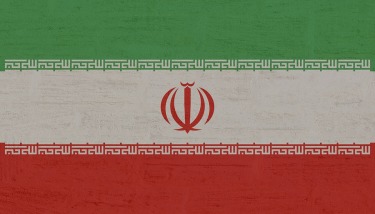
Iran has experienced several weeks of deadly unrest, described as the most serious upheaval since the 1979 Islamic Revolution that transformed the country into an Islamic republic.
Protests began on 28 December 2025, as anger spread over soaring inflation, energy shortages and an economy close to collapse. Demonstrations quickly turned into nationwide strikes and clashes with security forces.
The situation has become so tense that Iran’s attorney general declared protesters to be “enemies of God”, a charge that can carry the death penalty under Iranian law.
Reliable figures are difficult to obtain because of strict media controls and internet shutdowns. State television reported just over 3,000 deaths, but other estimates are far higher. Some international media outlets have reported that more than 10,000 people may have been killed.
Lana Silk of the Christian organisation Transform Iran said security forces are firing into crowds and carrying out mass arrests. She said tanks and armed patrols are now common in the streets and that men, women and children are being beaten, detained and killed.
She added that daily life has become dangerous. Many people are afraid to go to work, shop for food or even open their windows, for fear of being shot or detained. Some seriously ill people are avoiding hospitals because they fear being arrested alongside injured protesters.
Although the Iranian authorities treat many citizens harshly, Christians remain one of the most vulnerable groups. Iran is ranked among the most oppressive countries in the world for Christians.
Christian worship in the Persian language is effectively banned, as is Christian literature in Persian. Official figures say fewer than one per cent of Iran’s population is Christian, but church groups believe the number is much higher and continuing to grow.
Christians in Iran are generally divided into two groups. Recognised Christians, mainly from Armenian and Assyrian backgrounds, are allowed to worship in their own ethnic languages but are treated as second-class citizens with limited rights and opportunities.
Unrecognised Christians, most of whom are converts from Islam, face far harsher treatment. They have no legal protection and are often arrested, charged with serious crimes and sentenced after unfair trials. Their house churches operate in secret and are regularly raided.
Silk said the government often links Christianity with Western influence and accuses converts of threatening national security. In recent years, several Christian converts have received long prison sentences on charges linked to espionage or treason.
Despite this, Christian leaders say Iran has one of the fastest-growing underground Christian movements in the world. There are also reports of people leaving Islam for other faiths or abandoning religion altogether.
Silk said the scale of the current crisis means the government may not be able to focus on targeting Christians specifically, as all Iranians are now living in an unsafe environment.
Internet access remains heavily restricted, making communication with people inside Iran difficult. Transform Iran has received only limited messages from contacts inside the country.
Silk said she believes any future government is likely to be less repressive, but warned that careful attention is needed to ensure that future leaders respect the rights and freedoms of all Iranians.
Adapted from ICC.